
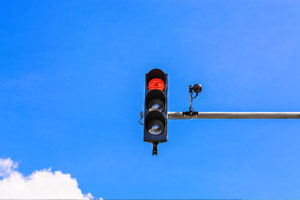
 They’re becoming popular across the United States. Law enforcement offices are setting up cameras at strategic points to catch motorist who violate the law. Some have built in radars and will take a picture of the vehicle’s license plate. The driver then gets an unpleasant surprise a few weeks later when a traffic citation arrives in the mail.
That won’t happen to you in New Jersey. As the law currently stands, cameras are prohibited from being used to issue ticket for speeding or running a red light. However, both New York and Pennsylvania allow some form of the practice.
It may seem like there’s not much you can do to challenge a traffic violation that’s been caught on tape. However, there are some pretty simple ways to fight this type of citation:
- It’s unusual for a prosecutor or police officer to bring a video or picture of the traffic violation to court. If there’s no picture or video, there’s no evidence, other than the testimony of the police officer who viewed the video/picture. The failure to bring the video or picture will typically, in itself, be sufficient to have the charge dropped.
- Furthermore, under the rules of evidence, a witness cannot testify to something he or she didn’t actually see. If the testimony is based entirely on what a third person saw, it’s known as “hearsay” and inadmissible in court. If the tape is brought to court and a police officer seeks to testify, you can object to the testimony as “hearsay,” because the officer didn’t see you commit any wrongful act. He or she is relying on the observations of a third party, i.e., the video camera.
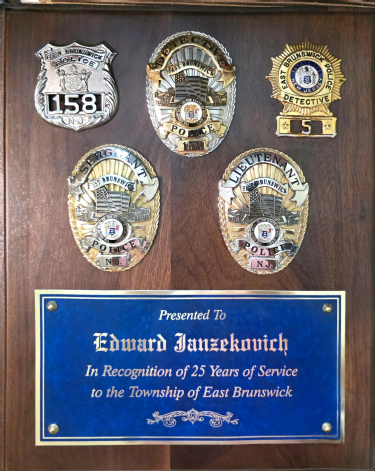
Contact Attorney Edward M. Janzekovich
To schedule a free initial consultation, contact my office online or call me at 732-257-1137. Evening and weekend consultations are available by appointment. I accept all major credit cards.
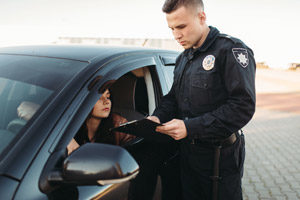 You’ve been stopped by police in New Jersey and issued a ticket. Maybe you were speeding or failed to come to a complete stop. Maybe you made an illegal turn. If you’re like most people, you may feel like you have no recourse other than to show up and pay your fine. To the contrary, there can be a number of good reasons to fight the ticket.
 A recent New Jersey case demonstrated why it is so important to get a good
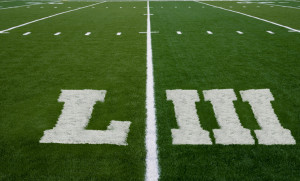 This coming Sunday, February 3, 2019, the Los Angeles Rams will be facing off against the New England Patriots in Super Bowl LIII at Mercedes-Benz Stadium in Atlanta, Georgia at 6:30 p.m. Eastern Standard Time. Many people will start drinking early in the day. By the time the game ends over 4 hours later, many people will have had at least a few drinks. When it comes time to leave, remember: Don’t Drink and Drive on Super Bowl Sunday.
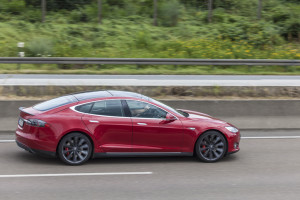 These days, there isn’t a lot that a car can’t do. They can parallel park for you, help you stay in your lane, apply the brakes and, amazingly, even drive for you. Self-driving cars, also known as autonomous vehicles, are famously made by Google and Tesla, but all major manufacturers have plans to roll out with driver-less vehicles in the next few years. These vehicles of the future are expected to increase fuel efficiency and decrease the number of car accidents, since studies show that most motor vehicle accidents are due to human error.
 Perhaps you or someone you know are debating applying to law school and have a DUI/DWI conviction that is 5, 10 or even 20 years old. Or perhaps you are in your second year of law school and recently had one drink too many while at a school function and were unfortunately arrested on suspicion of driving under the influence. One of the first thoughts running through your mind might be how this incident may affect your chances of being admitted to practice law – in New Jersey or any other state.
 Every year at this time, we at the Edward M. Janzekovich law blog like to wish all of our readers a safe and Happy New Year. At the same time, we also would like to remind everyone that New Year’s Eve is one of the most dangerous nights of the year for drunk driving and DUI/DWI arrests. If you can, avoid the roads – especially if you’ve had even one drink. In New Jersey, law enforcement officials across the state will be on high alert for the slightest signs of drunk driving or suspicious, erratic behavior.